The engagement should say which year-end entries are included, who supplies the evidence and how the business approves the final figures.
Which adjustments need an owner?
Assign responsibility for reviewing asset movements, prepayments and unpaid bills. Ask what evidence the accountant needs before estimating an adjustment.
How do you keep adjustments out of routine bookkeeping?
Record the period, accounts, reason and approval. Share the final journals with the bookkeeper and agree whether any entries should reverse.
What does this look like in practice?
Hypothetical example. A retailer’s $1,200 annual policy spans two years. The accountant proposes the period split and sends the journal to the owner for sign-off.
What should you check?
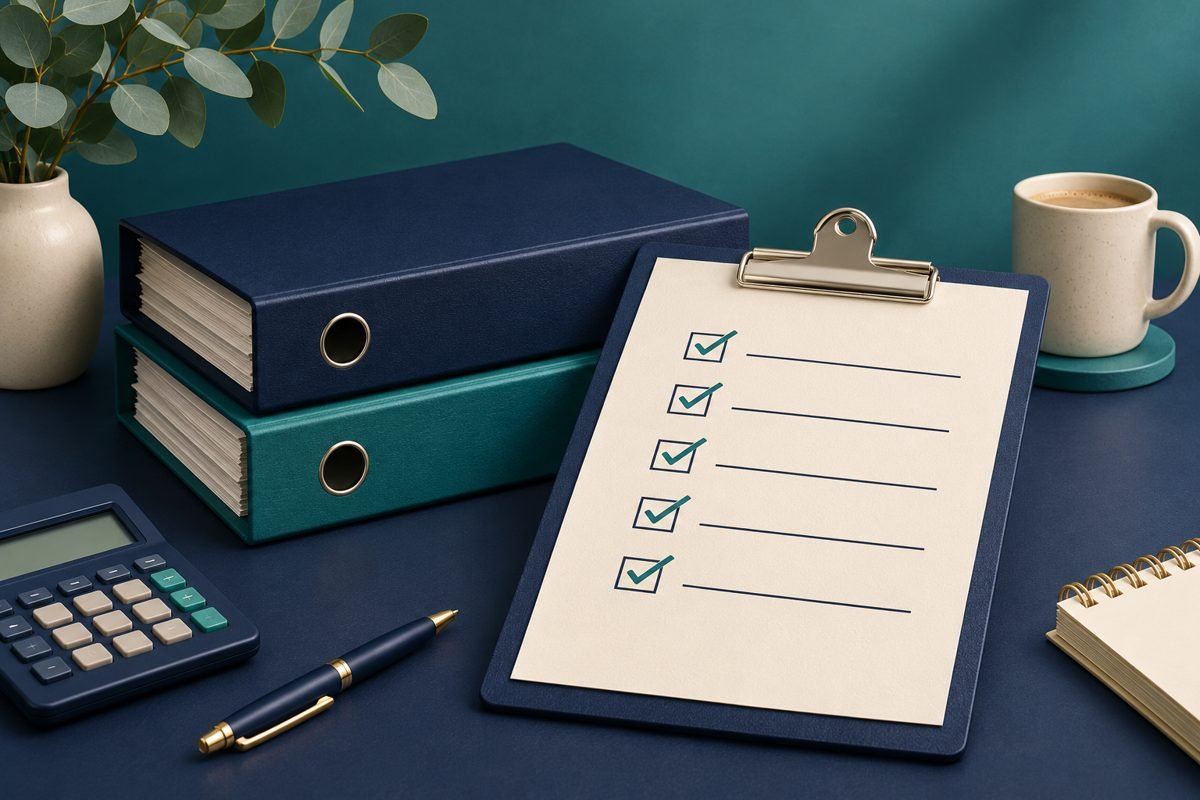
- List common adjustments
- Assign evidence owners
- Agree posting and reversal dates
Frequently asked questions
Can the accountant post entries without an owner review?
Agree which entries require authorisation before work starts.
For a broader view, read What Accounting Support Does a Small Business Actually Need?. See also How Should You Set Up Financial Records for a New Australian Business?. Explore General Accounting services or visit the TNS Accounting homepage.
Sources
Published by TNS Accounting. Sources checked 13 November 2026.