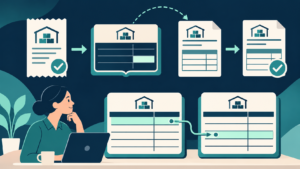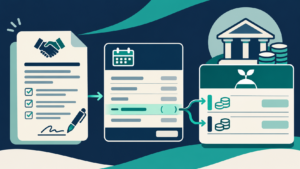
Give the accountant an asset list tied to invoices and ledger entries. Include acquisition, installation and disposal records so changes in ownership or use can be checked.
What should the asset list contain?
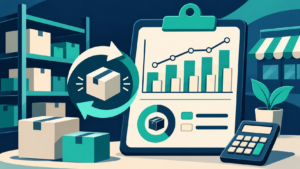
Use one record per asset or identifiable group. Include date acquired, purchase cost, location and when the asset was first available for use if known.
How should you handle a disposal?
Provide the sale or trade-in evidence and identify the asset removed. Let the adviser reconcile the disposal with the ledger and decide the correct tax treatment.
What does this look like in practice?
Hypothetical example. A workshop replaces a drill press. It gives its accountant the new invoice and the dealer’s trade-in statement for the old unit.
What should you check?
- List additions and disposals
- Attach evidence for each movement
- Resolve missing serial numbers
Frequently asked questions
Can a bank payment replace the invoice?
Keep the invoice or other supporting documents needed to identify the asset and the terms.
For a broader view, read What Accounting Support Does a Small Business Actually Need?. See also How Should You Set Up Financial Records for a New Australian Business?. Explore General Accounting services or visit the TNS Accounting homepage.
Sources
Published by TNS Accounting. Sources checked 13 November 2026.