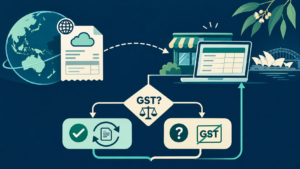
Direct answer: Review whether agreed work is delivered on time, balances reconcile to source records, questions are explained clearly, compliance responsibilities are visible and reports lead to decisions.
Why does this matter for a small business?
A service can be technically busy without giving the owner reliable records, timely answers or a clear view of upcoming obligations. The process should fit the business’s actual volume and responsibilities rather than rely on software defaults or memory.
What practical process should you follow?
- Compare actual deliverables with the engagement scope
- Check bank, receivable, payable and tax-control reconciliations
- Review open questions, response times and repeated corrections
- Confirm future deadlines, owner actions and records still required
What does this look like in practice?
Hypothetical example: An Epping business finds that reports arrive monthly but old debtor balances are never investigated. The next review assigns an owner, deadline and evidence requirement to each aged item.
What should you check before signing off?
- Source records are complete for the period.
- Material balances agree to independent evidence.
- Exceptions have an owner, due date and written resolution.
- The final reviewer understands large movements and judgements.
- Required records and approvals are stored securely.
For related guidance, see the live parent guide, the General Accounting service page and TNS Accounting homepage.
Frequently asked questions
Should an owner review every transaction?
No. Focus on reconciliations, material movements, exceptions and samples while keeping clear responsibility for detailed work.
How often should service performance be reviewed?
Use a brief monthly operational review and a fuller scope review at least annually or when the business changes.
Can the TPB Register be checked?
Yes. Use the public register when services require a registered tax or BAS practitioner.
Which sources were checked?
Published by TNS Accounting. Sources checked 14 November 2026. General information only; confirm obligations for your circumstances with the relevant authority or an appropriately registered practitioner.