
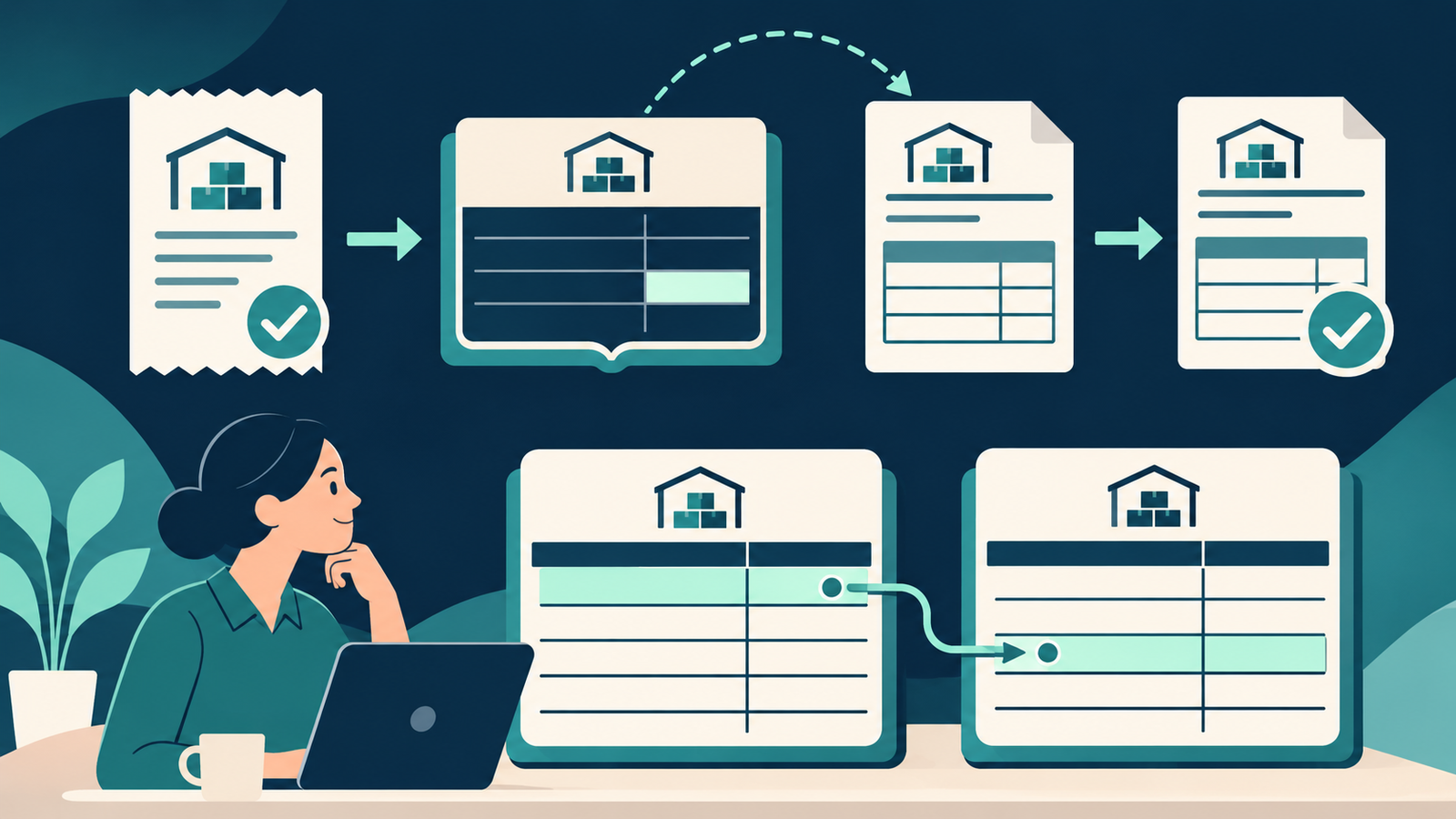
Direct answer: Record a supplier prepayment as a clearly identified advance linked to the supplier, payment date, purpose and source document. When the supplier issues the bill, apply the advance once to the amount owing and reconcile the remaining balance. Keep the advance visible until it is matched; otherwise it can be mistaken for an expense, a duplicate payment or an unexplained supplier credit.
What counts as a supplier prepayment?
It is money paid before the business has received the supplier bill or before the bill is due. Keep it distinct from an approved bill payment and from a refundable deposit where the contract gives the business a different right. Save the order or agreement, payment confirmation and expected delivery or invoice details so a reviewer can identify what the advance relates to.
How should the advance be entered?
Use the accounting system’s supported prepayment or supplier-advance workflow, or a suitable balance-sheet account if the system and adviser support that approach. Enter the supplier, date, amount, currency, description and reference. Match the bank transaction to the prepayment rather than creating a second spend entry. Tax treatment depends on the transaction, GST registration, documentation and accounting method; do not choose a tax code merely because the payment left the bank.
What should you do when the supplier bill arrives?
Check the bill against the order, delivery evidence and payment already made. Apply the available supplier credit or prepayment against the correct bill, then confirm the remaining payable is accurate. In Xero, official instructions describe recording a prepayment and later applying a supplier credit to an awaiting-payment bill; other accounting products may use different screens and terminology.
How do you avoid leaving the advance unallocated?
Run the supplier activity or outstanding-credit report at each close. Compare open advances with expected invoice dates and contact the supplier when the bill, refund or delivery is overdue. A credit that remains on the account after the related bill is approved may need allocation, a refund, a correction or an explanation. Keep an ageing column and an owner for every material open item.
How should GST and income-tax coding be checked?
Do not assume that payment date alone determines GST or deductible-expense timing. Check whether the supplier has provided a valid tax invoice, whether the purchase is creditable, and whether the business uses cash or non-cash attribution where that matters. If an advance is refunded or the purchase changes, retain the adjustment document and review the original coding rather than deleting the trail.
What records should the file contain?
Keep the purchase order or contract, supplier correspondence, receipt or remittance, bank transaction, later tax invoice, delivery evidence, credit allocation and any refund. Attach or reference those records from the ledger entry. This makes it easier to show what the payment represents and why any credit or tax amount was claimed.
How do you handle a partial bill or a cancelled order?
Allocate only the amount supported by the bill and agreement. Leave the remaining credit visible with a clear note, and request an updated invoice or refund where appropriate. For cancellation, preserve the original order and payment, document the supplier’s decision and record any returned funds through the bank reconciliation. Escalate disputed or material amounts.
What should go on the supplier-prepayment checklist?
- Match the supplier, order, purpose, date and amount to the payment evidence.
- Use a dedicated prepayment or advance workflow and avoid a duplicate spend.
- Check the tax invoice, GST eligibility and accounting basis before applying tax codes.
- Apply the credit to the correct awaiting-payment bill only once.
- Age open supplier advances and assign a follow-up owner.
- Retain the contract, bank record, invoice, delivery evidence and refund trail.
How might one advance be applied?
Hypothetical example: A hypothetical Epping café pays a supplier $1,100 before equipment delivery. It records the advance against that supplier and saves the order and bank confirmation. When the final bill arrives, the owner checks the delivered items and invoice, applies the advance, and reviews the balance still payable. The supplier, business and amounts are illustrative only.
What do owners often ask?
Should a supplier prepayment be coded as an expense immediately?
Not automatically. The correct accounting depends on what was purchased, delivery, accounting method and applicable rules.
Can I apply one supplier credit to more than one bill?
Some systems allow credits to be allocated across bills. Follow the product’s current instructions and retain a clear allocation trail.
What if the supplier never sends the bill?
Follow up using the order and payment records, confirm delivery or refund status, and keep the advance on a reviewed open-items list.
Where can you get related information?
For broader context, read the live parent guide, review TNS Accounting’s Bookkeeping information, or visit the TNS Accounting homepage. These links are informational and do not promise that a particular service or outcome is available.
Official sources checked on 24 November 2026
- Xero Central: Record a prepayment
- Xero Central: Apply a supplier credit to a bill
- ATO: Banking records for business
- ATO: When to do record-keeping and reporting tasks
Publisher: TNS Accounting. General educational information for Australian small businesses. It is not individual tax, legal, payroll or accounting advice. Rules and software features can change; confirm current guidance and your circumstances before acting.




One Response