How Should a Small Business Use Xero Multi-Currency?

Use Xero multi-currency only after confirming the subscription supports it, setting each foreign-currency contact or bank account correctly, documenting exchange-rate policy and reconciling both the foreign amount and Australian-dollar result.
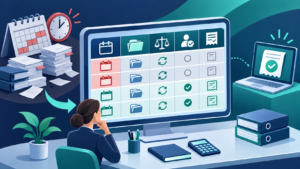
Navy and teal TNS Accounting illustration of multi-currency Xero records with invoices, exchange rates, bank feeds and review controls.

Direct answer: Use Xero multi-currency only after confirming the pricing plan supports it, adding only the currencies the business needs, setting contacts and foreign bank accounts carefully, and reconciling both the foreign amount and Australian-dollar result. The feature does not replace review of exchange rates, fees or tax treatment.

This general guide is for Australian small-business owners, with practical context for Epping, Melbourne and Victoria. It is not personal tax, legal or finance advice.

What should be checked before multi-currency is enabled?

Confirm that the current Xero plan includes multi-currency and that the organisation’s base currency is correct. Identify the foreign currencies, customers, suppliers and bank accounts genuinely needed. Decide who can add currencies, edit exchange rates, approve transactions and reconcile accounts.

How should foreign-currency contacts and transactions be set up?

Xero requires a supported plan and the foreign currency to be added before creating a foreign-currency transaction. Check the contact currency before posting activity. Xero converts tax amounts to the base currency using the exchange rate for the invoice or bill date, but users should review dates, rates and tax codes.

How should foreign bank accounts and transfers be controlled?

Keep each foreign bank or payment account separate and reconcile it to the actual statement in that currency. For transfers between accounts with different currencies, record the amounts shown by both banks, review the calculated rate and post bank fees separately when appropriate.

What should be reviewed at month end?

Reconcile each foreign account, review aged receivables and payables by currency, investigate unusual realised or unrealised exchange movements, and confirm reports are interpreted in the base currency. Check unsettled transactions and rates around period end.

What should be on the multi-currency checklist?

  • Confirm the plan and base currency.
  • Add only approved foreign currencies.
  • Check contact and bank-account currencies before posting.
  • Restrict permissions to change rates or accounts.
  • Match source documents in the transaction currency.
  • Record settlement differences and fees clearly.
  • Reconcile foreign and base-currency results monthly.
  • Keep approval and rate evidence for unusual transactions.

What could this look like in practice?

Hypothetical example: A Melbourne wholesaler invoices a US customer in USD. It records the USD invoice at the applicable date, matches the USD receipt, records the bank fee separately and reviews the Australian-dollar exchange difference. No exchange-rate outcome is assumed.

Where does this fit in the wider process?

Use the live monthly accounting software controls guide, review our Accounting System Management service information, and visit the TNS Accounting homepage.

Frequently asked questions

Can a contact currency always be changed later?

Existing transactions can constrain changes. Check the current Xero instructions and plan the contact setup before posting.

Does Xero choose the tax treatment?

No. Software applies the settings selected by users. The business remains responsible for correct dates, tax codes, evidence and professional advice where needed.

Does multi-currency remove the need for reconciliation?

No. Foreign balances, settlement amounts, fees and exchange differences still need review.

Which official sources were checked?

Published by TNS Accounting. Updated and official sources checked 20 November 2026. Software features and tax rules can change; check the linked sources before acting.


Share this :

Published by TNS Accounting

Practical accounting and bookkeeping resources for Australian small business owners. Check each guide’s sources and review date, and contact us about your business circumstances.

One Response

Leave a Reply

Your email address will not be published. Required fields are marked *

Frequently Asked Questions

Accounting & Bookkeeping FAQs

Bookkeeping Services

Our bookkeeping support covers transaction recording, expense tracking, bank reconciliation and organised financial records. We agree the work around your transaction volume, existing software and reporting needs.

Weekly updates suit businesses with frequent transactions or close cash flow monitoring. Monthly bookkeeping may suit smaller operations. The right schedule keeps records useful between reporting deadlines.

Contact us to review the periods and records involved. We can discuss a catch-up plan covering missing transactions, unreconciled balances and outstanding documents before setting an ongoing schedule.

Bank reconciliation compares your accounting records with bank statements. Reviewing differences helps identify missing entries, duplicate transactions, bank fees and timing issues before reports are prepared.

Yes. Clear records help sole traders and startups understand income, expenses and outstanding payments. Bookkeeping also gives your accountant organised information for preparing financial statements and tax returns.

Have bank and credit card statements, sales invoices, supplier bills, receipts and relevant payroll records ready. We will identify any additional documents needed after reviewing your business and accounting system.

Yes. Recording customer invoices and supplier bills creates a clearer picture of amounts owed to and by your business. Regular reviews help you plan follow-ups and upcoming payments.

Consider outsourcing when records fall behind, reconciliation takes too much time or reports are hard to trust. A discussion with TNS Accounting can help define the support your business needs.

BAS and Tax Return Support

A BAS reports applicable business taxes to the ATO, which may include GST, PAYG withholding and PAYG instalments. The sections you complete depend on your business registrations and reporting obligations.

Reconciled records make sales, purchases and tax coding easier to review. Keeping invoices and receipts available helps resolve missing information before figures are used for BAS preparation.

Common records include sales invoices, purchase invoices, bank statements and relevant payroll reports. Your reporting period, GST accounting method and business activities determine the full information required.

Your reporting cycle depends on your ATO arrangements. Check the activity statement and your ATO account for the applicable period and due date, or confirm these with your registered agent.

No. A BAS reports applicable activity statement obligations during the year. An income tax return reports income and other relevant information for an income year. Your business may need both.

TNS Accounting lists tax return support among its services. Contact us to discuss your circumstances, the records required and who will prepare and lodge the return before engaging the service.

Gather the relevant records and contact your registered tax or BAS agent promptly. The action needed depends on the reporting period, the nature of the issue and your ATO account.

Use an appropriately registered tax or BAS agent for services that require registration. Before engagement, confirm the responsible practitioner, their registration and the scope of preparation, review and lodgement.

Payroll Management

Our website lists payroll processing, employee payslips, Single Touch Payroll support and superannuation support. We agree responsibilities, approval steps and payroll deadlines around your team and pay cycle.

Employee details, tax declarations, super fund information, employment terms, pay rates and opening leave balances are typical starting points. Accurate timesheets and approved changes are also needed for each pay run.

The suitable pay cycle depends on applicable employment requirements and your business arrangements. Confirm the required frequency first, then establish a payroll calendar with clear information and approval cut-offs.

Single Touch Payroll is a way of reporting salary and wage, PAYG withholding and super information to the ATO through enabled software. Reporting generally occurs on or before payday, subject to applicable exceptions.

Payslips are part of the payroll service listed on our website. Discuss leave tracking and opening balances during setup so the software configuration matches the employee information and entitlements supplied.

Use current employee details, approved timesheets and documented pay changes. Review draft payroll reports before final approval, and reconcile payroll records regularly to identify discrepancies.

Provide the relevant dates, employment details and approved payroll instructions promptly. New starters need complete setup information; departures require a review of outstanding pay and applicable leave or other entitlements.

No. Employers retain responsibilities for employee information, entitlements, payments and compliance. An agreed payroll process should clearly identify who supplies information, reviews calculations, approves pay runs and completes reporting.

Financial Statements and Reporting

Our financial reporting services include financial statements, custom reports, cash flow analysis and performance insights. The reporting package should reflect your business structure and the decisions you need to make.

A profit and loss statement summarises income and expenses over a period. It helps you review trading performance, compare costs and understand whether the business recorded a profit or loss.

A balance sheet shows assets, liabilities and equity at a particular date. Reviewing it alongside other reports helps you understand what the business owns, owes and has invested.

Monthly reporting is a useful starting point for many small businesses. Businesses facing rapid change or tight cash flow may need more frequent reviews of selected figures.

Yes. Our website lists custom reporting as a service. Discuss the products, locations, projects or expense categories you want to monitor so reporting can be scoped around useful comparisons.

It compares planned income and expenditure with recorded results. Reviewing the differences can highlight unexpected costs, slower sales or assumptions that need changing in your next budget.

Unreconciled accounts can contain missing, duplicated or incorrectly allocated entries. Reviewing balances first improves the reliability of the figures used in financial statements and management reports.

Discuss report interpretation when agreeing your service package. A useful review explains major movements, outstanding balances and cash flow trends so the figures support practical business decisions.

General Accounting

TNS Accounting lists daily bookkeeping, bank reconciliation, expense tracking and ledger management within its general accounting services. We discuss your records and reporting needs before defining the work.

Bookkeeping focuses on recording and organising transactions. Accounting uses those records to prepare, review and interpret financial information. The two functions work together to support reliable business reporting.

The general ledger groups recorded transactions into accounts such as sales, expenses, assets and liabilities. Accurate ledger entries provide the foundation for reconciliations and financial reports.

A chart of accounts is the list of categories used to record business transactions. A clear structure helps keep coding consistent and makes financial reports easier to understand.

Use separate business banking where appropriate and identify personal transactions clearly when they occur. Your accountant can explain how drawings, contributions or other owner transactions should be recorded for your structure.

Contact us to discuss the records and periods involved. Reviewing source documents, transaction categories and reconciliations helps identify entries that may need correction before reports are finalised.

Cash accounting generally records transactions when money changes hands; accrual accounting generally records income and expenses when earned or incurred. The appropriate treatment depends on the reporting purpose and applicable requirements.

Keep records current, reconcile accounts and gather supporting documents for outstanding balances. Ask your accountant for a business-specific checklist covering items such as assets, loans, inventory and payroll.

Accounting Systems and Cloud Software

Our website highlights Xero and QuickBooks alongside accounting system management. Tell us which platform you use so we can confirm the support available for your setup and requirements.

Our listed services focus on account management, data accuracy, bank reconciliation and financial reporting. The scope can be discussed around how transactions enter your system and how reports are produced.

Compare transaction volume, invoicing, payroll, reporting, integrations and user access requirements. Also consider subscription costs and the support needed to keep records accurate after setup.

No. Bank feeds import transaction information, but entries still need review and matching. Reconciliation checks that recorded balances agree with statements and helps identify duplicates or missing transactions.

Contact TNS Accounting with details of your software and the issues you are seeing. We can discuss an appropriate review of account coding, unreconciled transactions and reporting needs.

Plan the changeover date, opening balances, outstanding invoices, payroll information and historical records. Confirm the migration scope, backups and reconciliation steps before making changes.

Cloud software lets authorised users work with a shared set of financial records. Defined access roles and consistent document handling can make it easier for owners, bookkeepers and accountants to collaborate.

Use the software’s invitation and user-permission features where available. Give each person their own access and suitable permissions, enable multi-factor authentication and review access when responsibilities change.

Cash Flow and Accounts Management

Current records show incoming receipts, unpaid invoices, supplier bills and other commitments. Reviewing this information helps you understand near-term cash needs and spot issues earlier.

Profit and available cash measure different things. Unpaid customer invoices, loan repayments, equipment purchases and the timing of supplier payments can leave less cash available than profit figures suggest.

A cash flow forecast estimates money expected to come in and go out over a future period. It helps identify potential shortfalls and supports planning for upcoming commitments.

Review outstanding invoices regularly, with closer attention when cash is tight or overdue balances are growing. A weekly review can help establish consistent follow-up and identify disputed invoices.

It groups unpaid customer invoices by how long they have been outstanding. This helps prioritise follow-up and shows whether older debts are becoming a larger share of amounts owed.

Record bills promptly, check approval details and review due dates alongside available cash. A planned payment schedule helps reduce missed bills and unexpected pressure on the business bank balance.

Yes. Comparing expenses over time can highlight changes in overheads and trading costs. Consistent account coding makes the comparison more useful and helps you investigate significant movements.

Cash flow analysis and performance insights are listed within TNS Accounting’s reporting services. Discuss your priorities so the agreed reports focus on the balances and trends most useful to your business.

Working with TNS Accounting

Our listed address is 5 Demeter Street, Epping, Victoria 3076. Contact us before visiting to confirm arrangements and discuss the accounting or bookkeeping support you need.

Our website describes support for Australian businesses, including startups, sole traders and growing small businesses. Tell us about your structure, industry and current systems so we can discuss a suitable scope.

Pricing depends on transaction volume, the condition of your records, payroll needs and reporting requirements. Contact TNS Accounting for a quote based on the services and frequency your business needs.

Use our contact page, email info@tnsaccounting.com.au or call +61 479 044 331. Share a brief outline of your business, current software and the help you are looking for.

Have your business structure, accounting software, approximate monthly transaction volume and employee numbers ready. Mention outstanding reporting periods and any issues with records, payroll or cash flow.

Yes. These services are listed on our website. We can discuss how they fit together and clarify the tasks, information requirements and review schedule within your proposed package.

Confirm the handover date, completed reporting periods, reconciled balances and access arrangements. Arrange the transfer of relevant records and clarify responsibility for outstanding work before the changeover.

Explain what you handle internally and where support is needed. Agree the deliverables, frequency, responsibilities and fees before work starts, and review the scope as your business changes.

Individual Tax & BAS Returns

Starting from just $75 AUD