
Business Activity Statements can feel complicated when GST coding, payroll withholding, record keeping and transaction reconciliations are not kept up to date. This guide explains how BAS preparation works, what records businesses should maintain, common GST mistakes, how BAS differs from an IAS and when professional BAS support may help.
Local businesses often search for BAS help for small business in Epping, BAS preparation in Epping VIC and practical GST reporting support in Melbourne. Keeping bookkeeping current throughout the quarter makes BAS and GST reporting far easier than relying on last-minute cleanup.
What Is a Business Activity Statement?
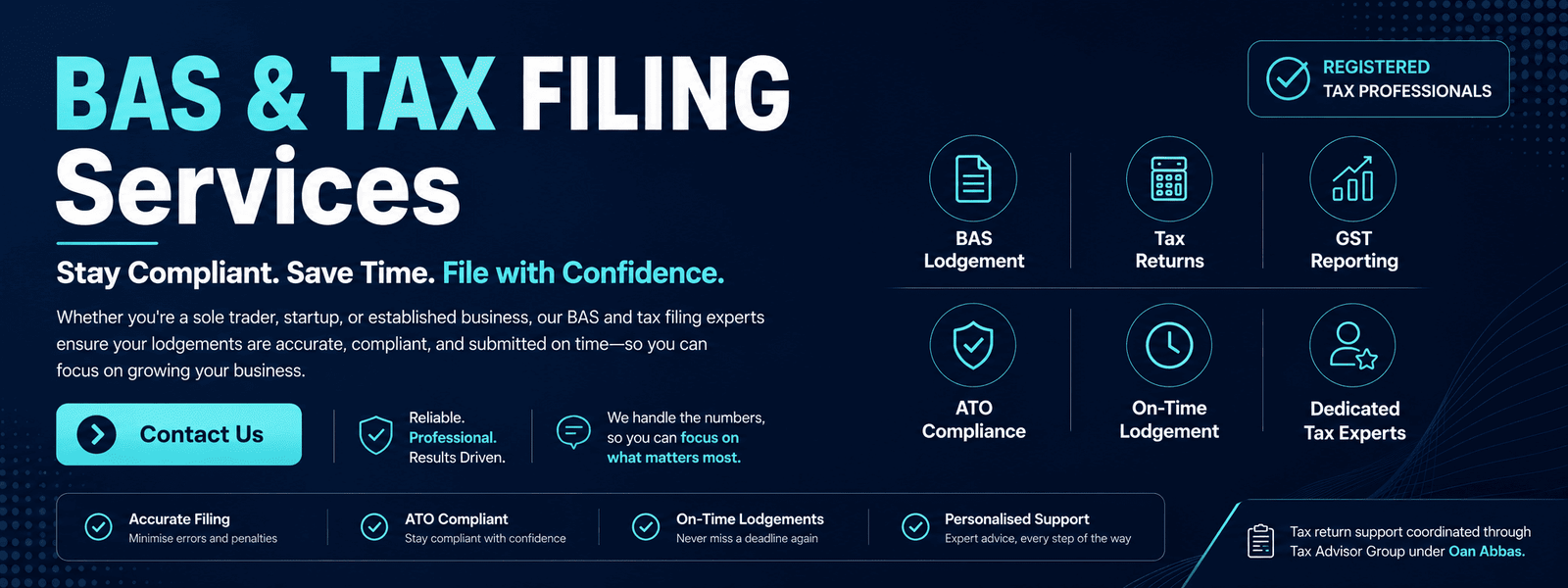
A Business Activity Statement is used by registered businesses to report selected tax obligations to the Australian Taxation Office. Depending on the business, this may include GST, PAYG withholding and other amounts. The exact obligations and reporting frequency depend on the business circumstances and current ATO requirements.
What Information Is Usually Needed for BAS Preparation?
- Sales and income records
- Business expense records
- GST coding
- Bank and credit-card reconciliations
- Payroll and PAYG withholding records where applicable
- Supporting invoices and receipts
- Adjustments from previous reporting periods where relevant
How Does BAS Lodgement Work?
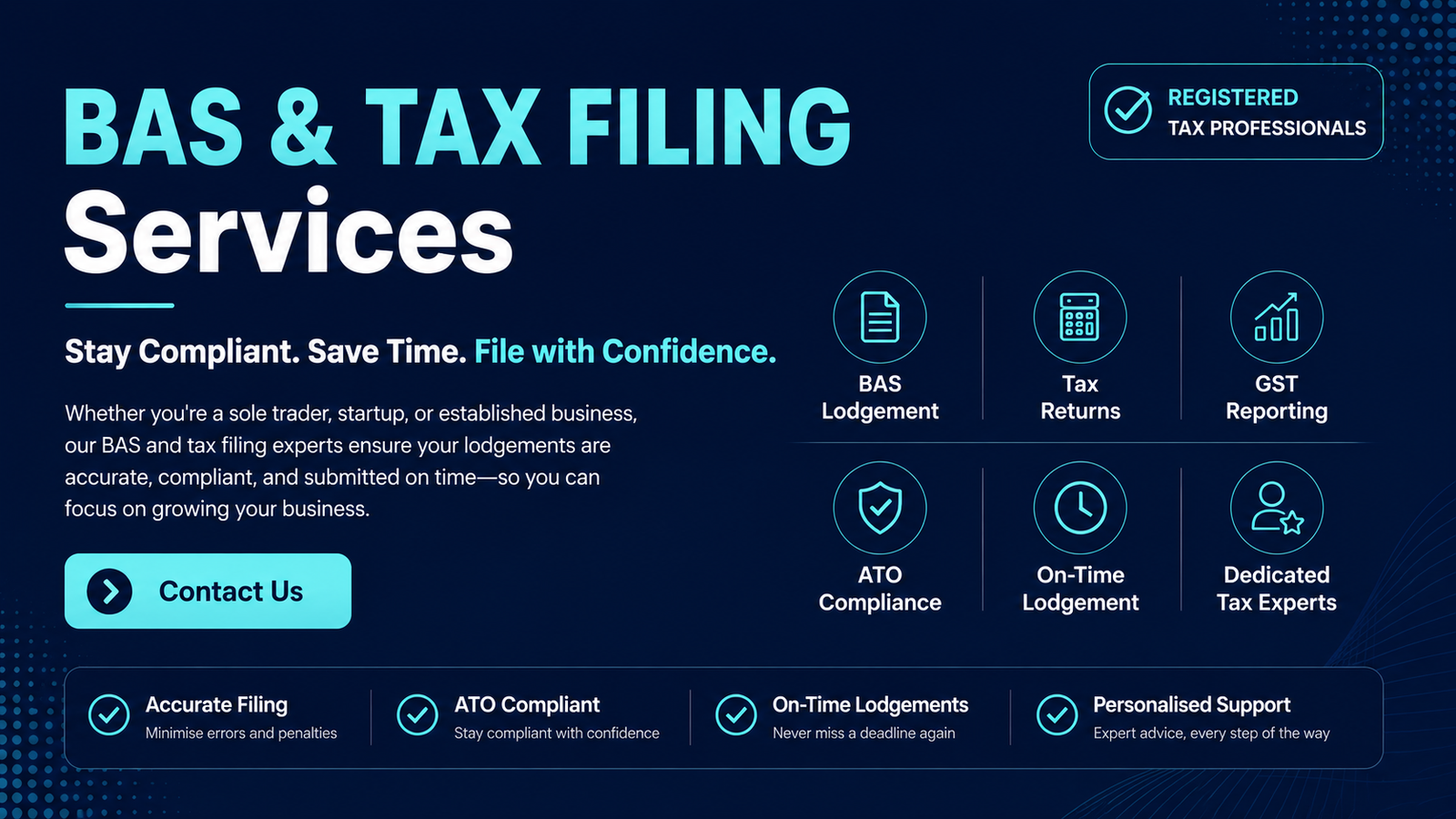
A practical BAS process starts with complete bookkeeping. Transactions need to be entered, reconciled and reviewed before figures are prepared for lodgement. If the bookkeeping is incomplete, BAS preparation can become slower and errors are more likely.
Step 1: Complete the Bookkeeping
All relevant transactions should be recorded and bank accounts reconciled for the reporting period.
Step 2: Review GST Coding
Transactions should be checked for correct GST treatment. Incorrect coding can affect GST payable or refundable amounts.
Step 3: Review Payroll-Related Amounts
Where applicable, payroll and PAYG withholding information should be checked against payroll records.
Step 4: Prepare and Review the BAS
Figures should be reviewed for unusual movements, missing data or obvious inconsistencies before lodgement.
Step 5: Lodge and Keep Records
After lodgement, supporting records should remain organised so future reporting and reviews are easier.
Do I Need to Register for GST?
GST registration depends on turnover and other circumstances. Businesses should check the latest Australian Taxation Office guidance because registration thresholds and special rules may apply differently depending on the entity and activity.
Read our GST registration guide for a practical overview.
Monthly vs Quarterly BAS
Some businesses report BAS monthly while others report quarterly. The reporting cycle depends on the business setup and ATO requirements. A regular bookkeeping routine is important regardless of frequency.
See our monthly vs quarterly BAS guide.
Why Reporting Frequency Matters
More frequent reporting can require tighter bookkeeping processes, while quarterly reporting still benefits from monthly reconciliations so problems do not accumulate.
BAS Preparation Checklist
- Reconcile all business bank accounts.
- Review credit-card accounts.
- Confirm sales are complete.
- Review expense coding.
- Check GST treatment of transactions.
- Review payroll records where applicable.
- Check unusual balances or adjustments.
- Ensure invoices and receipts are available.
- Review the draft BAS before lodgement.
- Keep copies of relevant records.
Use our detailed BAS preparation checklist.
Common GST Coding Errors
Using GST on Transactions That Should Be GST-Free
Incorrect assumptions about GST treatment can lead to reporting errors.
Missing GST on Eligible Purchases
If transactions are not coded correctly, potential GST credits may not be reflected accurately.
Duplicating Transactions
Duplicate bank-feed entries or manually entered transactions can distort BAS figures.
Not Reconciling Before BAS Preparation
Preparing BAS figures from unreconciled books increases the chance of missing or duplicated data.
Learn more in our common GST coding errors guide.
How Do GST Credits Work?
Eligible businesses may be able to claim GST credits on certain business purchases when the relevant requirements are met. Correct records and GST coding are essential.
See how GST credits work.
What If You Make a Mistake on a BAS?
Mistakes can happen because of incorrect coding, missing transactions or adjustments. The appropriate correction method depends on the type and timing of the error. Businesses should follow current ATO rules and seek professional assistance when uncertain.
Read how to fix BAS mistakes.
BAS vs IAS: What Is the Difference?
A BAS can include GST and other obligations, while an Instalment Activity Statement is generally used for selected obligations where a full BAS is not required. The form a business receives depends on its registration and reporting requirements.
See our BAS vs IAS guide.
What Should You Do If BAS Is Overdue?
If a BAS is overdue, the first priority is usually to bring the bookkeeping up to date, identify missing records and understand which reporting periods remain outstanding. Avoid letting multiple periods accumulate without a clear plan.
Read our overdue BAS guide.
How to Prepare BAS in Xero
Xero can help organise transactions, bank feeds and GST reporting, but the quality of the BAS still depends on correct setup, transaction coding and reconciliations.
See our Xero BAS preparation guide.
BAS Agent vs DIY BAS
Some owners prepare BAS themselves, while others use professional support. DIY may suit simple businesses with strong bookkeeping skills. Professional support may be useful when transactions are complex, records are behind or the owner wants greater confidence in the process.
Compare both approaches in our BAS agent vs DIY guide.
Quick answer
Accurate BAS preparation starts with accurate bookkeeping. Software can organise data, but reconciliations, correct GST coding and review remain essential.
Frequently Asked Questions
Can I lodge BAS myself?
Depending on your circumstances, you may be able to manage your own BAS. Businesses should ensure records are complete and follow current ATO requirements.
What happens if my bookkeeping is behind?
Bring the books up to date before relying on BAS figures. Catch-up bookkeeping may be required.
Does Xero lodge BAS automatically?
Accounting software can assist with preparation and electronic processes, but the data still needs to be accurate and reviewed.
How often should I review GST coding?
Regular review is better than waiting until the BAS deadline. Monthly review can reduce cleanup work later.
Related BAS and GST Guides
- GST Registration Guide
- Monthly vs Quarterly BAS
- BAS Preparation Checklist
- Common GST Errors
- GST Credits Guide
- Fix BAS Mistakes
- BAS vs IAS
- Overdue BAS
- Xero BAS Guide
- BAS Agent vs DIY
Explore TNS Accounting Services and Resources
For broader support, explore TNS Accounting, learn more about our team, or review our frequently asked questions. Our core services include bookkeeping, BAS and tax return filing support, payroll services, general accounting, bookkeeping and financial reporting, and accounting system management. You can also browse our accounting blog, business resources, review our pricing information, or contact TNS Accounting for help.
BAS Support for Melbourne Businesses
TNS Accounting supports businesses with bookkeeping, BAS record preparation, payroll, general accounting, reporting and accounting systems. Contact TNS Accounting to discuss your requirements.
