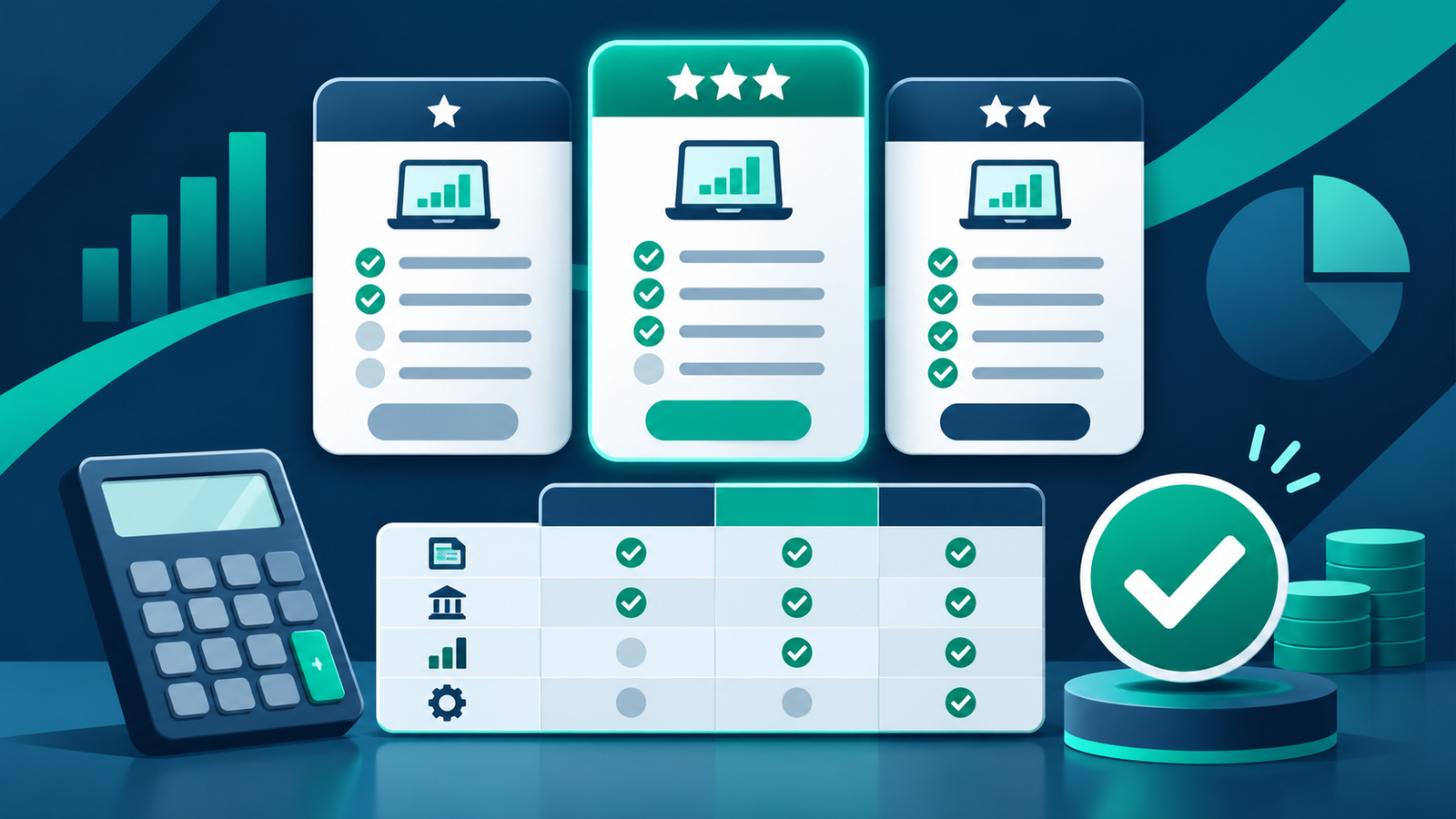
Compare Xero plans using the current Australian price after any promotion, payroll capacity, multi-currency, expenses, projects, analytics and other features the business will actually use. Add implementation, app and bookkeeping costs, then review the plan again when staff numbers or workflows change.
Which price should be used in a budget?
Use the normal ongoing Australian subscription price and tax treatment shown at the decision date, not only an introductory discount. Record the source date because plans and promotions change.
Which limits matter most?
Check payroll employee capacity, expense users, projects, multi-currency, reporting and forecast features. A lower plan can become expensive if manual work or extra apps fill a missing function.
What other costs belong in the comparison?
Include setup, migration, training, add-ons, payment fees, support and the time needed to reconcile automated entries. Separate one-off and recurring costs.
When should the plan be reviewed?
Review before hiring, adding currencies, adopting projects or connecting major apps. Remove unused subscriptions only after exporting records and checking dependencies.
What practical checklist should you use?
- Capture current standard price and GST
- List must-have features and limits
- Count payroll and expense users
- Add apps and implementation costs
- Test the workflow before upgrading
- Schedule a six-month plan review
What does a simple example show?
Hypothetical example: A Victorian business chooses a plan using only a three-month discount, then needs more payroll capacity. A full-year comparison using standard pricing would show the expected ongoing cost. No price is assumed here.
Frequently asked questions
Is the cheapest plan always best?
No. Compare required controls, limits and manual work as well as price.
Should promotional pricing be ignored?
Record it as a temporary saving, but budget the standard price from the promotion end date.
Can a business change plans later?
Xero states plans can be upgraded; check current downgrade, feature and data implications before changing.
Where can you continue?
Use the live parent guide, review the relevant TNS Accounting service, or visit TNS Accounting for the wider resource library.
Official sources checked
Published by TNS Accounting. Sources checked 15 November 2026. General educational information only; treatment depends on current law, software, records and individual circumstances.